
Dental Veneers in Dallas, TX
Porcelain veneers in Dallas, TX offer one of the most versatile solutions in cosmetic dentistry, correcting chips, gaps, discoloration, and minor alignment issues in as few as two appointments. Dr. R. David Brumbaugh designs each veneer case with precision using digital imaging and close collaboration with top ceramic labs, delivering results that look natural and complement your unique facial features.
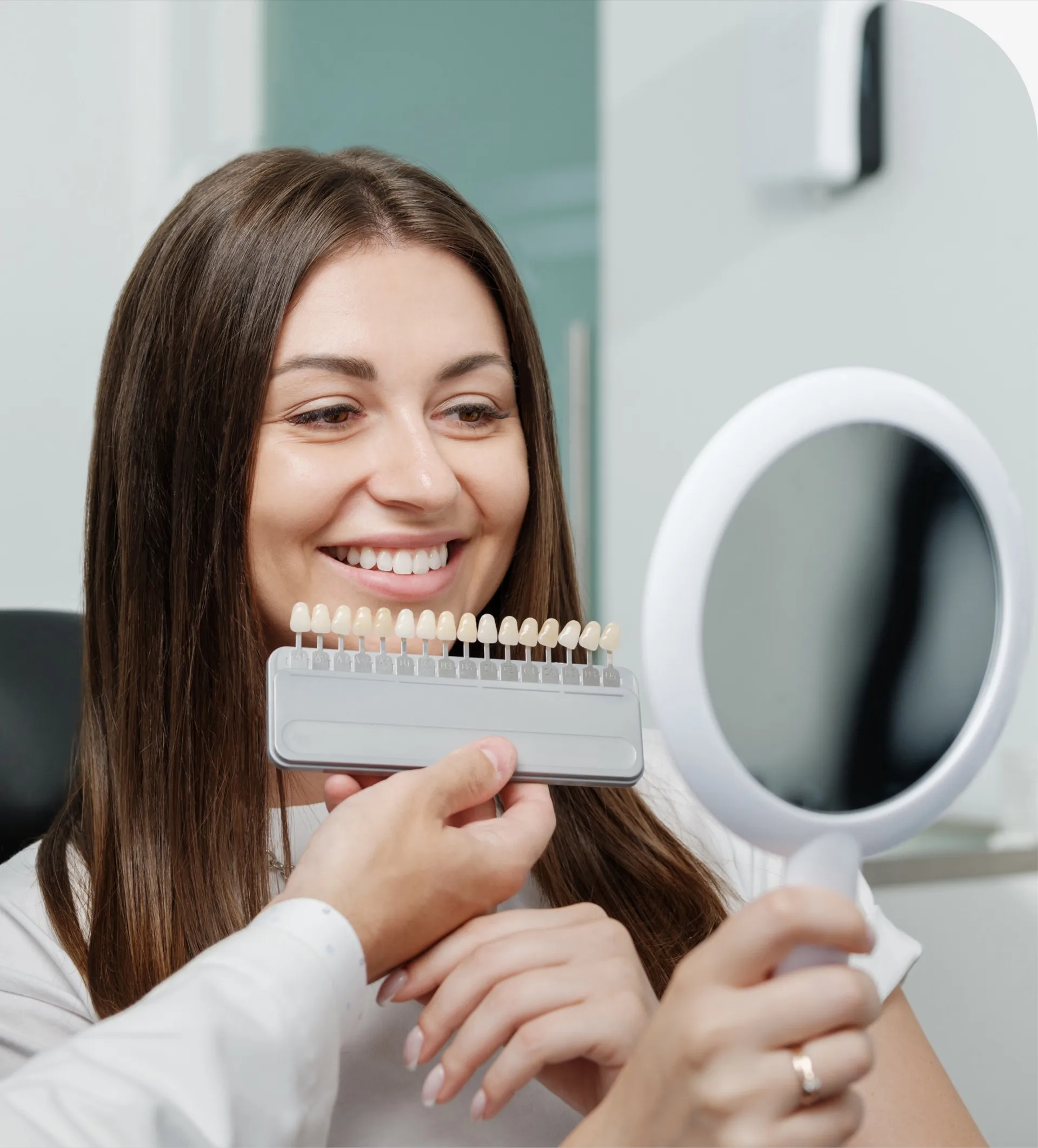
Why Choose Porcelain Veneers
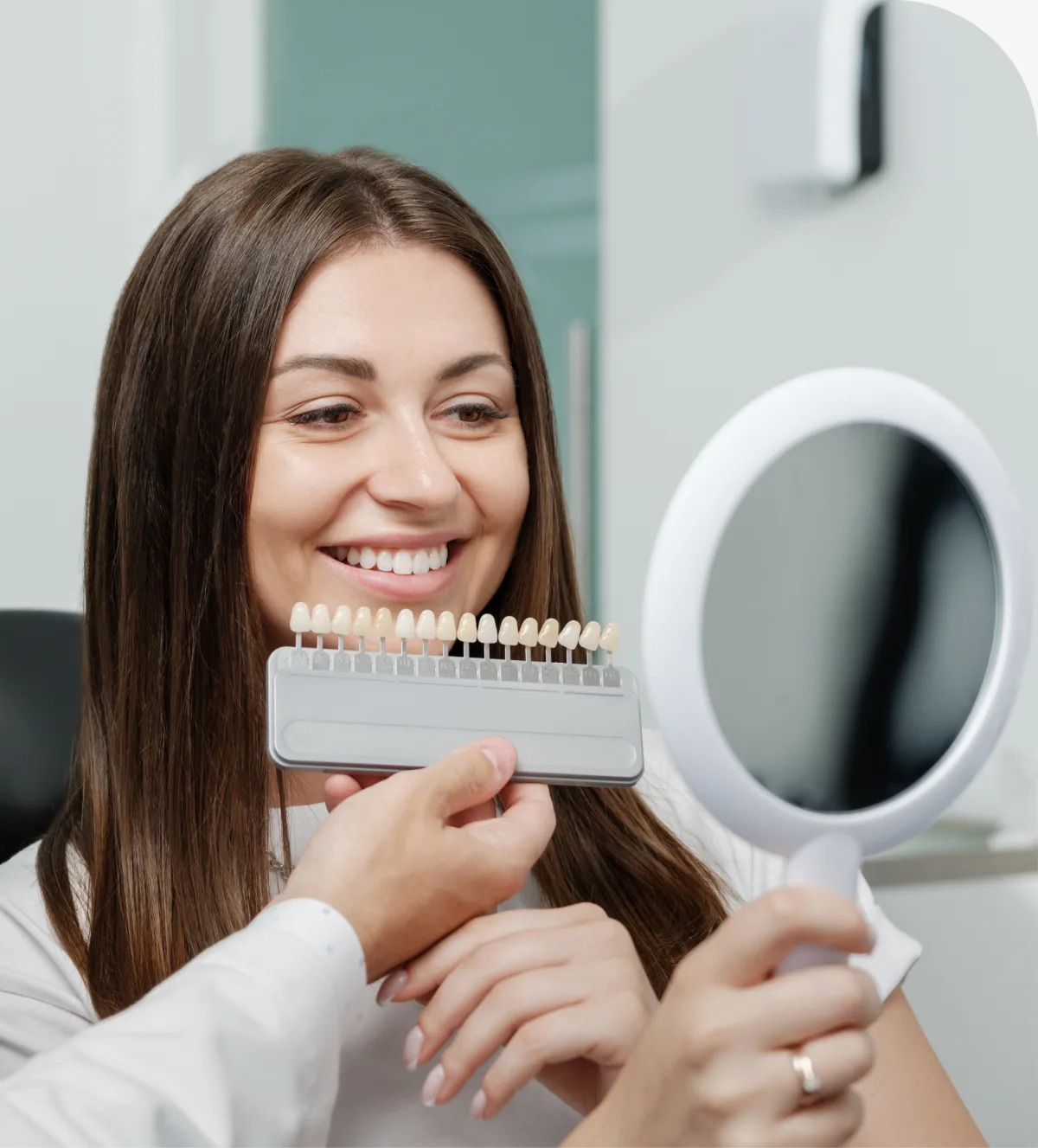
Natural Aesthetics
Translucent porcelain mimics real enamel for an undetectable enhancement.
Stain Resistant
Porcelain resists coffee, wine, and food stains better than natural teeth.
Conservative Approach
Minimal tooth reduction preserves more of your natural structure.
Long-Lasting Results
Porcelain veneers typically last 10 to 15 years with proper care.
Instant Alignment
Correct gaps, chips, and minor crowding without braces or aligners.
The Veneer Process
Complimentary Consultation
Discuss your smile goals and evaluate candidacy with digital imaging.
Smile Design & Preparation
Preview results digitally, then conservatively prepare your teeth.
Digital Impressions
Primescan captures precise measurements — no messy putty needed.
Temporary Veneers
Wear comfortable temporaries while your custom porcelain set is crafted.
Final Bonding
Your veneers are placed, adjusted, and polished for a seamless result.
Detailed Information
Veneers are thin, custom-crafted shells of porcelain (or sometimes composite resin) bonded to the front surfaces of your teeth. They permanently alter the shape, size, color, and alignment of your smile without the need for orthodontics or extensive tooth reduction. Because they are translucent like natural enamel, quality porcelain veneers are virtually indistinguishable from real teeth.
Porcelain Veneers — Porcelain is the gold standard for veneers because of its durability, stain resistance, and lifelike translucency. Each veneer is custom-fabricated in a dental lab from a digital impression taken with Primescan (no messy putty). Porcelain veneers typically last 10 to 15 years or longer with proper care.
Composite Veneers — Composite veneers are applied directly to the teeth in a single visit using tooth-colored resin. They cost less than porcelain and require less tooth preparation, but they are more prone to staining and chipping over time. Composite may be a good choice for younger patients or those seeking a conservative, reversible option.
Discoloration and Staining — Some types of tooth discoloration do not respond to professional whitening treatments. Intrinsic stains caused by tetracycline antibiotics, fluorosis, or root canal treatment live inside the tooth structure and cannot be bleached away. Porcelain veneers cover the affected surface entirely.
Chips, Cracks, and Worn Edges — Minor chips and wear along the biting edges of front teeth accumulate over time, making the smile appear aged or uneven. Veneers restore the original shape and length of affected teeth, creating a uniform, youthful appearance.
Gaps and Minor Misalignment — Small gaps between teeth and mild crowding or rotation can often be corrected with veneers in two appointments rather than months of orthodontic treatment.
Porcelain veneers require the same daily care as natural teeth: brushing twice a day with a non-abrasive toothpaste, flossing daily, and visiting our office for regular cleanings and exams. Avoid using your teeth as tools, biting into extremely hard foods like ice or hard candy, and habits like nail biting or pen chewing that can chip the porcelain.
If you grind or clench your teeth at night, Dr. Brumbaugh may recommend a custom night guard to protect your veneers from excessive force. With proper care, porcelain veneers can maintain their appearance and function for 15 years or longer.
Veneers work well for patients who want to correct multiple cosmetic issues simultaneously: uneven teeth, permanent staining that does not respond to whitening, chips, small gaps, or teeth that appear too short. Candidates should have generally healthy teeth and gums with sufficient enamel for bonding.
Patients with severe bite issues, extensive decay, or active gum disease may need other treatments first. During your consultation, Dr. Brumbaugh determines whether veneers, crowns, bonding, or a full smile makeover is the most appropriate solution for your goals.
Dental bonding uses composite resin applied in a single visit and costs less than porcelain veneers, but it is more susceptible to staining and chipping and typically lasts five to seven years. Crowns cover the entire tooth and are recommended when structural integrity is compromised. Veneers occupy the middle ground: more durable and stain-resistant than bonding, yet more conservative than crowns because they preserve more of your natural tooth structure.
Veneer costs depend on the number of teeth treated, the material chosen, and the complexity of your case. Most patients invest in four to ten veneers to achieve a balanced, harmonious smile. Because veneers are considered a cosmetic procedure, dental insurance typically does not cover them.
We provide transparent pricing during your complimentary consultation and offer financing through CareCredit and Cherry to help you invest in the smile you deserve.
Frequently Asked Questions
The cost per veneer varies based on whether you choose porcelain or composite and the complexity of your case. Most patients receive between four and ten veneers for a full smile transformation. We provide a detailed estimate during your complimentary consultation.
With proper care, porcelain veneers typically last 10 to 15 years or longer. Avoiding habits like nail biting, ice chewing, and using teeth as tools helps maximize their lifespan. Regular dental checkups allow Dr. Brumbaugh to monitor your veneers over time.
Veneers are generally classified as cosmetic and not covered by insurance. However, if a veneer also restores a structurally damaged tooth, partial coverage may apply. Our team reviews your specific benefits during your visit.
Veneers cover only the front surface of a tooth and require minimal preparation. Crowns encircle the entire tooth and are used when more structural support is needed. Dr. Brumbaugh recommends the most conservative option that achieves your goals.
High-quality porcelain veneers are designed to match the translucency, texture, and color variations of natural teeth. Dr. Brumbaugh works with skilled ceramists to ensure each veneer blends seamlessly with your surrounding teeth.
Complimentary Veneer Consultation
Discover how veneers can transform your smile. Call 214-369-5159 or request your appointment online. No cost, no obligation.