
Dental Bridges in Dallas, TX
A dental bridge in Dallas, TX replaces one or more missing teeth by anchoring a prosthetic tooth (or teeth) to the natural teeth on either side of the gap. Bridges restore your ability to chew, speak, and smile confidently without the surgical component required for implants. Dr. R. David Brumbaugh uses digital planning and CEREC technology to create precise, comfortable bridges at our Highland Park-area office.
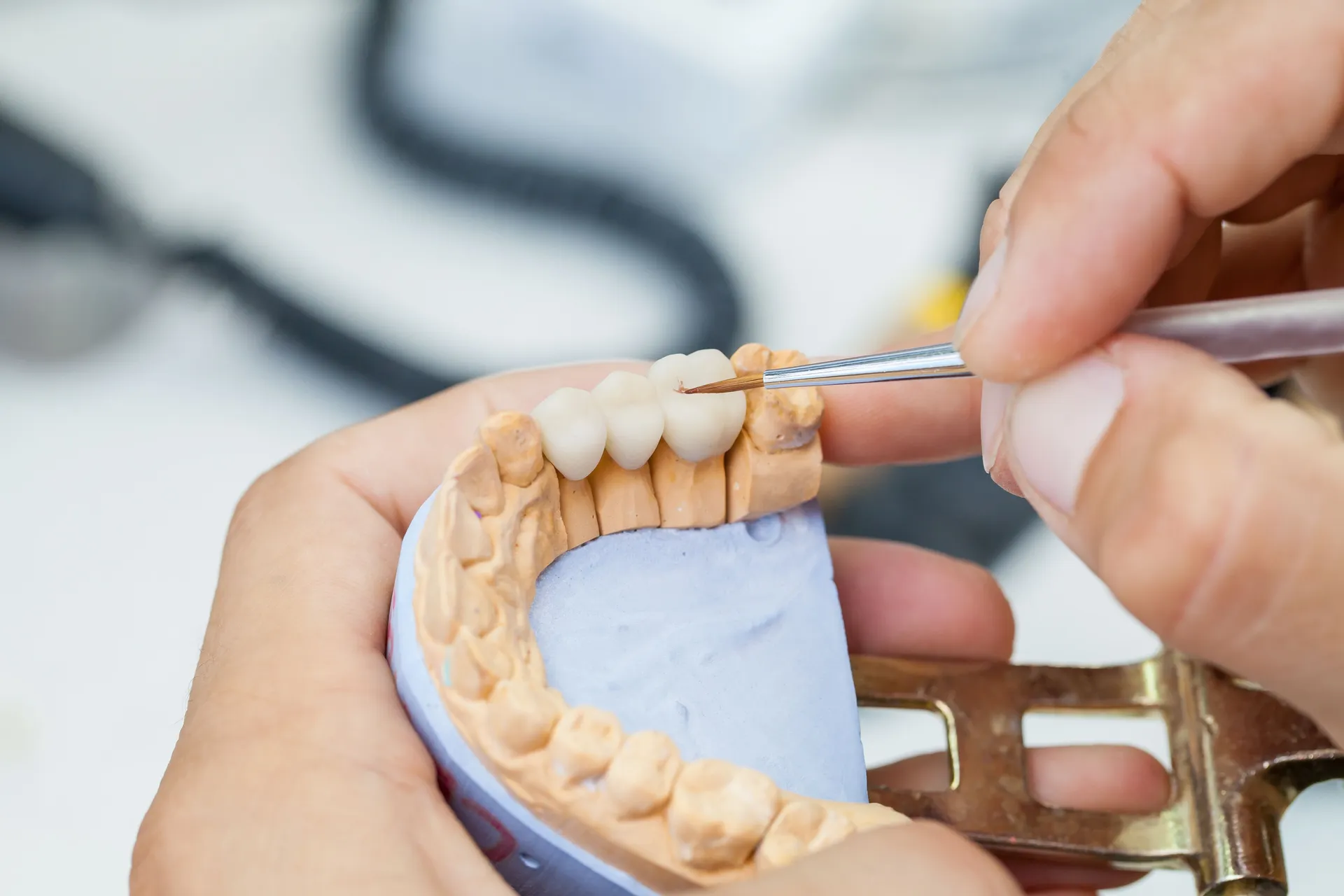
What Is a Dental Bridge
A bridge consists of one or more pontics (replacement teeth) held in place by crowns cemented onto the adjacent natural teeth (abutments). The result is a fixed restoration that fills the gap, prevents neighboring teeth from shifting, and restores a complete smile. Modern porcelain bridges blend seamlessly with your natural teeth in color and translucency.
Types of Dental Bridges
Traditional Fixed Bridge
The most common type, supported by crowns on teeth on both sides of the gap. Ideal when healthy natural teeth flank the missing tooth space.
Cantilever Bridge
Supported by a crown on only one adjacent tooth. Used when abutment teeth exist on only one side of the gap.
Implant-Supported Bridge
Anchored by dental implants rather than natural teeth. This option preserves healthy tooth structure and is often recommended when multiple adjacent teeth are missing.
Bridge vs. Implant
Both bridges and implants effectively replace missing teeth, but they differ in approach. A bridge uses adjacent teeth for support and requires those teeth to be crowned. An implant is an independent post placed in the bone that does not affect neighboring teeth. Dr. Brumbaugh discusses both options during your consultation so you can choose based on your anatomy, goals, and budget.
The Bridge Procedure
- Consultation and digital imaging to assess the gap and supporting teeth
- Preparation of abutment teeth (minor reshaping to accommodate crowns)
- Digital impressions with Primescan for precise fit
- Fabrication of the bridge (CEREC same-day option available for select cases)
- Final cementation and bite adjustment
Caring for Your Dental Bridge
A bridge requires slightly different oral hygiene than natural teeth. Because the pontic sits directly above the gum, food particles can accumulate underneath if not cleaned properly. Our team recommends:
- Using a floss threader or water flosser to clean under the pontic daily
- Brushing the bridge with a soft-bristle toothbrush just as you would natural teeth
- Rinsing with an antimicrobial mouthwash to reduce bacteria around the abutment crowns
- Attending professional cleanings every six months for targeted cleaning around the restoration
Proper care prevents decay at the margins of the abutment crowns and keeps the supporting gums healthy. With consistent maintenance, a well-made bridge can serve you comfortably for 10 to 15 years or longer.
Why Replacing Missing Teeth Matters
A gap from a missing tooth is more than a cosmetic concern. When a space is left unfilled, the teeth on either side gradually shift toward the opening, altering your bite and creating hard-to-clean areas that trap food and bacteria. The opposing tooth (the one above or below the gap) can also begin to drift out of its socket, a process called super-eruption. Over time, these changes can lead to uneven wear, jaw discomfort, and additional tooth loss. A bridge stops this cascade by filling the space and keeping surrounding teeth properly aligned.
Why Choose Our Office for Bridges
Dr. Brumbaugh uses Primescan digital impressions and CEREC milling for select bridge cases, delivering a precise fit without the discomfort of traditional putty molds. For cases where an implant-supported bridge may be a better long-term option, he handles both the implant placement and the restoration in one office. This means you receive a complete evaluation of all your options, an honest recommendation, and seamless execution regardless of which direction you choose.
Cost and Insurance
Bridge costs depend on the number of teeth replaced, the materials used, and whether the bridge is traditional or implant-supported. Most PPO dental insurance plans cover bridges as a major restorative procedure, typically at 50 percent after your deductible. Our team provides a clear estimate and files claims on your behalf.
Frequently Asked Questions
The cost of a dental bridge depends on the number of units (teeth) involved and the material chosen. A three-unit porcelain bridge is the most common configuration. We provide exact pricing during your consultation and accept most PPO insurance plans.
A well-made bridge with good oral hygiene and regular checkups can last 10 to 15 years or longer. Proper flossing around the bridge and consistent dental visits help maximize longevity.
An implant is often preferred because it does not require altering adjacent teeth and preserves bone. However, a bridge may be a better fit for patients who want to avoid surgery, need faster results, or have specific anatomical factors. Dr. Brumbaugh recommends the option that best serves your long-term health.
Most PPO dental plans classify bridges as major restorative work and provide coverage (commonly 50 percent after deductible). Our team verifies benefits and provides your estimated out-of-pocket cost before treatment.
A traditional bridge can replace one to three consecutive missing teeth. Longer spans may require implant support or multiple bridges for structural stability. Dr. Brumbaugh evaluates your specific situation during your consultation.
Replace Missing Teeth Comfortably
Find out if a dental bridge is the right solution for you. Call 214-369-5159 or request an appointment online.