
Root Canal Therapy in Dallas, TX
When infection or damage reaches the inner nerve of a tooth, root canal therapy in Dallas, TX can save that tooth and eliminate pain. Dr. R. David Brumbaugh performs root canal treatment in our Cole Avenue office without requiring a referral to a specialist. For patients who feel anxious about the procedure, IV sedation is available to ensure complete comfort throughout.
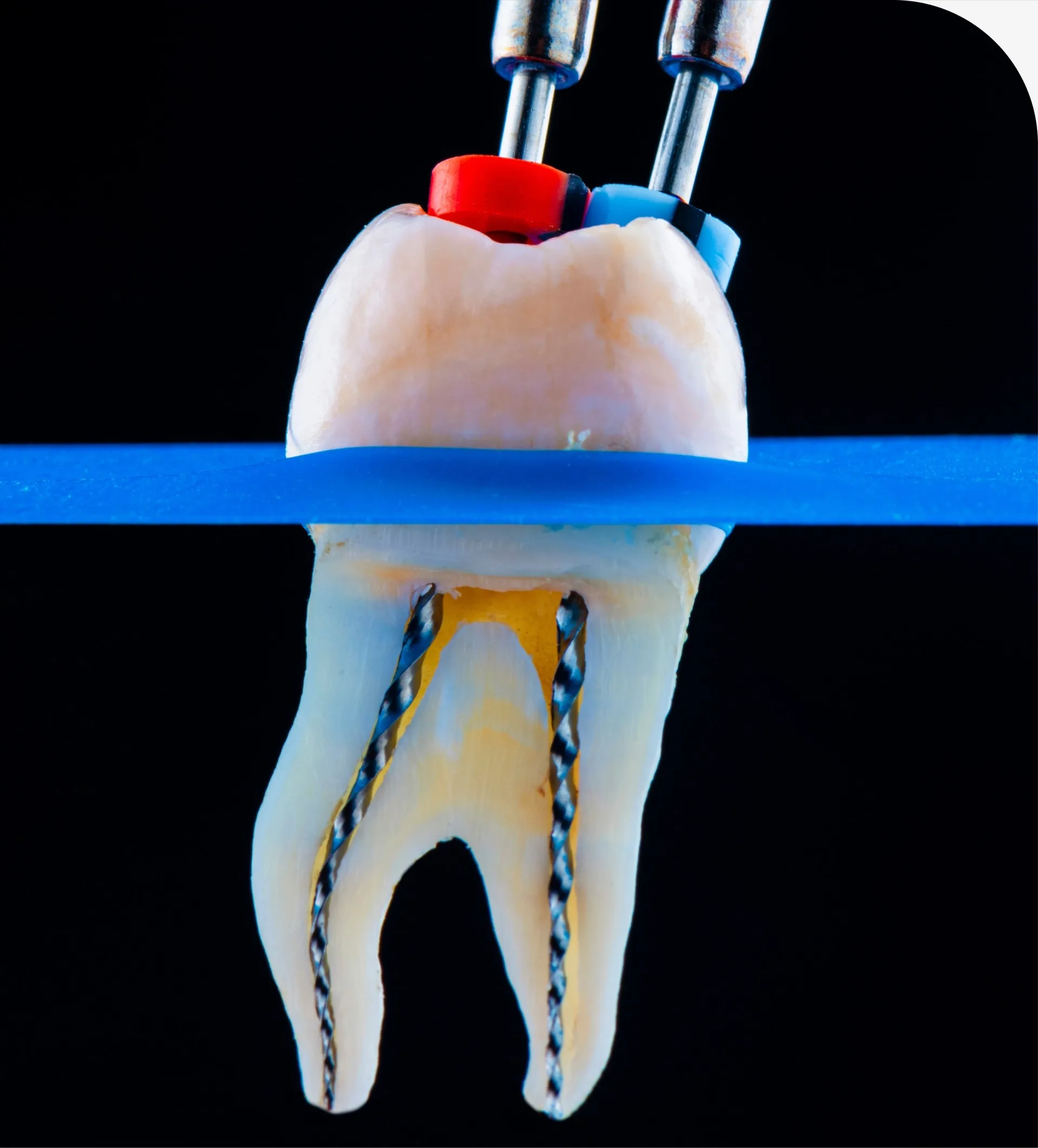
What Is Root Canal Therapy
A root canal removes infected or inflamed tissue (the pulp) from inside a tooth, cleans and disinfects the canal system, and seals it to prevent reinfection. The procedure saves the natural tooth structure, avoiding the need for extraction and the subsequent cost of replacing the tooth with an implant or bridge.
Signs You May Need a Root Canal
- Persistent or severe toothache, especially when chewing
- Prolonged sensitivity to hot or cold that lingers after the stimulus is removed
- Darkening or discoloration of a tooth
- Swelling or tenderness in the gums near a specific tooth
- A recurring pimple-like bump on the gum (fistula)
- Pain that wakes you at night
If you experience any of these symptoms, contact our office promptly. Early treatment often means simpler procedures and better outcomes.
The Root Canal Procedure
Diagnosis
Dr. Brumbaugh uses digital X-rays and cone beam 3D imaging (CBCT) to evaluate the tooth, identify the extent of infection, and map the canal anatomy. This precision imaging reduces surprises during treatment.
Treatment
After numbing the area with local anesthesia (or providing IV sedation for anxious patients), Dr. Brumbaugh accesses the pulp chamber, removes the infected tissue, and thoroughly cleans each canal. The canals are shaped, disinfected, and sealed with a biocompatible material. A temporary filling protects the tooth until a permanent restoration is placed.
Restoration
Most root canal-treated teeth require a crown to restore strength and protect against fracture. With our CEREC same-day crown system, the permanent crown can often be placed in the same appointment or at a short follow-up visit.
Is a Root Canal Painful?
Modern root canal therapy is no more uncomfortable than having a filling placed. Effective anesthesia and, when desired, IV sedation ensure you feel nothing during the procedure. Post-treatment discomfort is typically mild and manageable with over-the-counter pain relievers for a few days.
Root Canal vs. Extraction
Saving your natural tooth is almost always preferable to extraction. A natural tooth maintains bone structure, supports neighboring teeth, and functions better than any replacement. Extraction requires additional treatment (implants or bridges) that adds cost and healing time. Dr. Brumbaugh recommends extraction only when a tooth is truly beyond saving.
Aftercare and Recovery
Most patients return to normal activities the same day or the day after a root canal. The treated tooth may feel slightly tender for two to three days, particularly when chewing. Over-the-counter anti-inflammatory medication typically manages any discomfort. Dr. Brumbaugh provides specific aftercare instructions tailored to your case, including:
- Avoid chewing on the treated side until the permanent crown is placed
- Take prescribed or recommended medications as directed
- Maintain gentle brushing and flossing around the treated area
- Contact our office if pain worsens or swelling develops after the first 48 hours
Once your permanent crown is placed, the tooth functions and feels like any other tooth in your mouth. There are no ongoing restrictions or special maintenance requirements beyond normal oral hygiene.
What Happens If a Root Canal Is Delayed
An infected tooth will not heal on its own. Without treatment, the infection can spread to the surrounding bone, forming an abscess that causes severe pain, swelling, and systemic health risks. The longer treatment is delayed, the more likely the tooth becomes unsalvageable, requiring extraction and subsequent replacement with an implant or bridge, both of which cost more and take longer than the root canal that would have saved the tooth.
Why Choose Our Office for Root Canals
Many general dentists refer endodontic cases to a specialist, requiring you to schedule at a separate office and wait for records to transfer. Dr. Brumbaugh performs root canal therapy in-house using cone beam 3D imaging for precise canal mapping and offers IV sedation for patients who want complete comfort. Because the same provider who treats the root canal also places the final crown, coordination is seamless and the number of total appointments is minimized. Patients with dental emergencies involving infection can often begin treatment the same day they call.
Frequently Asked Questions
Root canal costs vary based on which tooth is treated (front teeth are simpler; molars have more canals) and whether a crown is needed afterward. Most PPO dental insurance plans cover a significant portion of root canal treatment. Our team provides a cost estimate before treatment begins.
Most root canals are completed in a single appointment lasting 60 to 90 minutes. Molars with complex canal systems may occasionally require a second visit. IV sedation allows longer procedures to feel like minutes.
A root canal preserves your natural tooth, maintains bone density, and avoids the cost of a replacement. Extraction is appropriate only when the tooth cannot be saved. Dr. Brumbaugh always recommends the most conservative viable option.
Most PPO dental plans cover root canal therapy as a major restorative procedure, typically at 50 to 80 percent after your deductible. Our team verifies your benefits and provides an estimate of your out-of-pocket cost before treatment.
If you receive only local anesthesia, you can drive yourself home. If you opt for IV sedation, you will need a responsible adult to drive you home and plan to rest for the remainder of the day.
Save Your Tooth Today
If you are experiencing tooth pain, do not wait for it to worsen. Call 214-369-5159 or request an appointment online.